Scaffolding Safety in UAE Construction Sites
If you’re involved in construction in the UAE, you already know how important scaffolding is. Whether it’s building a high-rise in Dubai or carrying out maintenance work in Abu Dhabi, scaffolding provides the safe access workers need to get the job done. But with that support comes a responsibility: making sure scaffolding is safe, compliant, and regularly inspected.
Why Scaffolding Safety Matters in the UAE
Construction sites are fast-paced environments, and with projects often reaching dizzying heights, scaffolding safety isn’t something you can afford to overlook. A poorly assembled platform or skipped inspection can lead to serious accidents, project delays, and potential legal trouble. By following proper scaffolding safety practices, companies can protect their workers and stay on the right side of UAE compliance laws.
Best Practices for Safer Scaffolding
Here are some of the essentials when it comes to keeping scaffolding safe on your site:
- Regular Scaffolding Inspections
In Abu Dhabi and across the UAE, scaffolding inspections are mandatory. Before use and at regular intervals, scaffolds should be checked for loose connections, damage, and overall stability. Inspections should also take place if bad weather hits or when parts of the structure are altered. - Correct Installation and Removal
Scaffolding should always be set up and dismantled by trained professionals. Even a small mistake at this stage can compromise the entire system’s safety. - Safe Load Limits
Avoid overcrowding scaffolding platforms with excess materials or tools. Each system has a weight capacity, and exceeding it increases the risk of collapse. Reputable scaffolding rental Abu Dhabi companies will provide clear load limits and inspection guidance with every setup. - Fall Prevention
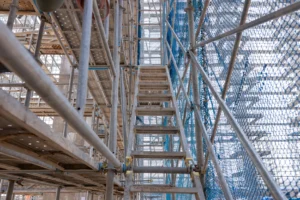
Guardrails, toe boards, and proper access routes like ladders or stair towers reduce fall risks significantly. Keeping platforms free of clutter is another small step that goes a long way. - Personal Protective Equipment (PPE)
Helmets, harnesses, and sturdy footwear are non-negotiable for anyone working on scaffolding. PPE is your first line of defense if something goes wrong.
Scaffolding Compliance in the UAE
The UAE has strict laws in place to ensure scaffolding safety across construction projects. Municipal authorities and MOHRE require contractors to adhere to compliance standards, from the type of materials used to the way scaffolds are maintained. Failure to comply doesn’t just put lives at risk—companies can face fines or even work stoppages.
Choosing the Right Scaffolding Partner
Not all scaffolding solutions are created equal. Partnering with a professional scaffolding provider in the UAE ensures that materials meet international standards, inspections are carried out properly, and your team can work without unnecessary risks.
Why safety should always come first
Scaffolding safety in UAE construction sites isn’t just about ticking a compliance box—it’s about building trust, protecting workers, and keeping projects on track. With regular inspections in Abu Dhabi, compliance checks in Dubai, and a focus on safe scaffolding solutions across the UAE, companies can make their worksites safer and more efficient. In the end, safe scaffolding means stronger foundations not only for projects but also for the people who build them.
FAQs on Scaffolding Safety in UAE
- Who is responsible for scaffolding inspections in the UAE?
Scaffolding inspections are typically the responsibility of the site safety officer or a certified scaffolding inspector. Contractors must ensure that scaffolds are checked before use, after any alterations, and at regular intervals during the project. - How often should scaffolding be inspected in Abu Dhabi?
In Abu Dhabi and across the UAE, scaffolding should be inspected before use, weekly during use, and immediately after extreme weather such as high winds or storms. - What are the main scaffolding compliance requirements in the UAE?
Key compliance requirements include using approved scaffolding materials, securing platforms with guardrails, following load capacity limits, and ensuring installation by trained professionals. - What are the penalties for scaffolding non-compliance in the UAE?
Failure to comply with scaffolding regulations can result in hefty fines, project delays, potential shutdowns, and in serious cases, legal action. - Why are trained personnel important for scaffolding assembly?
Scaffolding must be installed and dismantled correctly to maintain safety. Trained personnel ensure proper bracing, secure joints, and stability, which reduces the risk of accidents on construction sites.